GALAXY CLASS
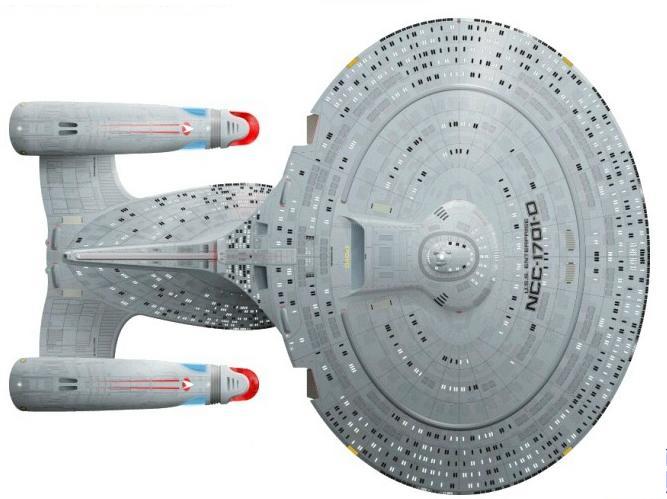
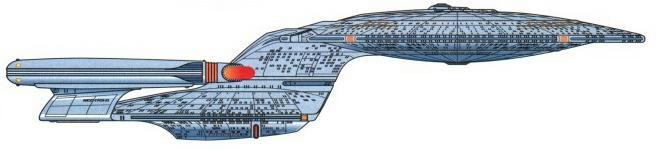
The Galaxy Class began it's development in 2345. This class was designed as the most advanced of it's time.
Three vessels, the prototype [NX-70637 (later NCC-70637)] and two production models, were initially authorized for construction.
NX-70637 was commissioned as USS Galaxy in 2358. The second production model was commissioned in 2363 as the fifth vessel to
bear the name, Enterprise with the registry number NCC-1701-D. The first model, USS Yamato, NCC-71807, was commissioned
about 2360. Ships of this class measured about 642 meters long and were designed with three isolinear computer cores; two in the
saucer section and one in the engineering section. These vessels are armed with twelve Type X phaser arrays and three photon torpedo
launchers for their defense. Galaxy class ships are capable of separated flight, which means the saucer section (module) and
the engineering (battle) section can operate independently of each other. This allows the bulk of the ship's population to remain
outside a combat area. If in an absolute emergency, the saucer can make an emergency landing on a habitable planet's surface.
Of the first three vessels of the class, only the Galaxy would survive to complete it's first decade of service. By 2375,
a total of eight known ships of this class have served or are serving in Starfleet.
Ships of the Class
| CHALLENGER |
NCC-71099? |
| ENTERPRISE |
NCC-1701-D |
| GALAXY |
NX/NCC-70637 |
| MAGELLAN |
NCC-????? |
| ODYSSEY |
NCC-71832 |
| TRINCULO |
NCC-71867 |
| VENTURE |
NCC-71854 |
| YAMATO |
NCC-71807 |
NOTE: Challenger may or may not exist since to was a part of an alternate timeline
from ST: Voyager episode "Timeless". Magellan and Trinculo are seen in the
seventh season of ST: Deep Space Nine and are listed at the ST Archive's Expanded Ship section.
"STAR TREK" AND ALL RELATED ELEMENTS ARE TRADEMARKS (REGISTERED, COPYRIGHTED OR OTHERWISE)
BY PARAMOUNT PICTURES, A VIACOM COMPANY
NO COPYRIGHT INFRINGEMENT INTENDED BY WEBMASTER. THIS IS A NOT-FOR-PROFIT WEBSITE.
FOR MORE COPYRIGHT INFORMATION, CLICK HERE
WEBMASTER: LIBRARYTREKKER
ANGELFIRE.COM WEBSITE ESTABLISHED ON: 08 NOVEMBER 2003
MODIFIED: 18 DECEMBER 2003
COPYRIGHT 2003
ALL RIGHTS RESERVED
An affiliate archive site of LibraryTrekker's Webase
Significant code modification made 21 JAN 2020
© 2020 LIBRARYTREKKER ALL RIGHTS RESERVED

